Under a Gentler Glow: Vintage Lampshades for Cosy 2026 Evenings
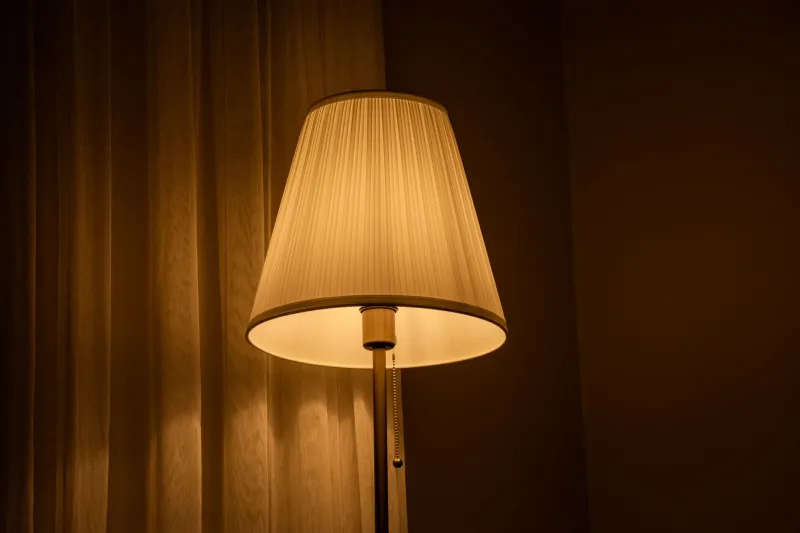
November has a particular way of arriving in Britain. One week you are still squinting at a low sun through the kitchen window; the next, it is dark by half past four and every lamp in the house suddenly matters. This is the season when vintage lampshades come into their own. Not because they are trendy, particularly, but because they do something modern shades often forget: they cast a gentler, more forgiving light. A little shade can change the mood of a sitting room far more effectively than a new rug, and it costs considerably less.
Start with the glow, not the furniture
It is easy to buy a shade because it looks pretty on a stall and then discover that it throws a hard white circle onto the ceiling. Before you fall for a fabric or a fringe, think about where the lamp will sit. A table lamp beside a sofa wants a shade that pushes light down and around, not straight into someone’s eyes. A floor lamp in a dim corner can carry a slightly taller, more sculptural shade. A small lamp on a hallway console needs to be modest — just enough to say hello when you come in with the shopping.
The goal is a soft pool of light, not a spotlight. In a pastel room, especially, harsh glare makes chalky pinks and pale greens look washed out. A warm, diffused glow brings out their depth.
Fabrics that flatter a pastel room
Vintage fabric shades are the heart of this look. Look for cotton, linen, silk blends and old rayon — anything with a bit of texture and a slightly aged tone. Cream, oatmeal, faded rose, soft sage and dusty blue are all forgiving. Avoid anything with a bright white lining if you want a mellow evening atmosphere; an ivory or peach lining will warm the light beautifully.
If the fabric is grubby, don’t panic. Many vintage shades can be gently dusted with a soft brush or vacuumed on the lowest setting with a muslin cloth over the nozzle. Spot-cleaning is riskier, so test a hidden area first. If the fabric is fragile or stained through, a new lining can be fitted by a lampshade maker — often worth it for a shape you love.
Pleats, trims and a little theatrical fringe
Pleated shades are having a quiet moment again, and with good reason. The folds soften light and add a bit of texture without pattern. A pleated shade in pale apricot or powder blue is a lovely way to bring vintage character into a modern British sitting room. Check that the pleats are still crisp; steam can revive mild creasing, but crushed pleats rarely recover fully.
Trims are where vintage shades become properly charming. A narrow braid, a scalloped edge or a short tassel fringe can make a plain shade feel considered. Do be practical, though: fringing and tassels sit close to the bulb, so use a low-heat LED and keep any loose trim away from the fitting. If a tassel is hanging by a thread, secure it before it disappears into the hoover.
Aged brass and honest bases
A vintage shade needs a base that suits its scale. Aged brass is the classic partner — warm, slightly tarnished and happy with pastels. Don’t polish every scrap of patina away; the soft dullness is part of the appeal. A brass column lamp with a faded linen drum shade is almost foolproof in a sitting room.
Wooden bases, ceramic ginger jars and old stoneware lamps also work well. Just check proportions: a tiny shade on a tall base looks nervous, and an enormous shade on a slim lamp looks top-heavy. As a rough guide, the shade should be about two-thirds the width of the base at its widest point, but your eye is the final judge.
Where to look in the UK
Charity shops remain the best starting point. British Heart Foundation and Oxfam furniture shops often have lampshades tucked at the back, and local hospice shops can be goldmines. Go with a tape measure and a photograph of the lamp you are trying to dress.
Auction lots are worth watching if you want something older or more unusual. Local salerooms often sell lampshades in mixed lots with bases, and online auctions can be good for pleated silk shades. Remember to factor in buyer’s premium and collection costs.
House clearances are another rich seam. Reputable clearance firms sometimes sell directly, and local Facebook Marketplace listings often include shades from deceased estates. Ask about provenance if you can, but buy for the look and condition rather than the story.
The safety bit (please don’t skip it)
Any vintage electrical item deserves a proper check before it goes into daily use. Look at the flex: if it is cracked, stiff or has exposed inner wires, it needs replacing. Check the plug for signs of overheating, and make sure the lampholder is secure. If in doubt, ask a qualified electrician to rewire the lamp and fit a new switched lampholder and flex. It is usually a modest job and money well spent.
For the shade itself, avoid very high-wattage bulbs, especially in fabric or fringed shades. Vintage shades may not carry modern safety labels, so treat them with care: keep them away from radiators, never leave them pressed against curtains, and use a low-heat bulb. A PAT test is sensible for anything you plan to use regularly.
Bulbs: the quiet heroes
Bulb choice makes or breaks the glow. For a soft evening look, choose a warm white LED around 2700K. Avoid cool white or daylight bulbs, which will make pastel fabrics look grey and clinical. If the lamp has a dimmer, check that the bulb is dimmable. A low-wattage LED candle or golf ball bulb is often ideal for small shades, and it keeps heat down.
A five-minute refresh
If you already have a vintage shade that feels tired, try this: dust it gently, check the flex and plug, replace the bulb with a warm LED, and move the lamp a foot or two away from the wall. Sometimes that is all it takes to turn a harsh corner into the cosiest spot in the house. One small shade, chosen with care, can carry a whole November evening. And that is rather the point of Pretty Sitting Vintage — not a full redecoration, just a softer, prettier place to sit.