Up on Little Legs: Vintage Plant Stands for a Greener, Gentler Corner
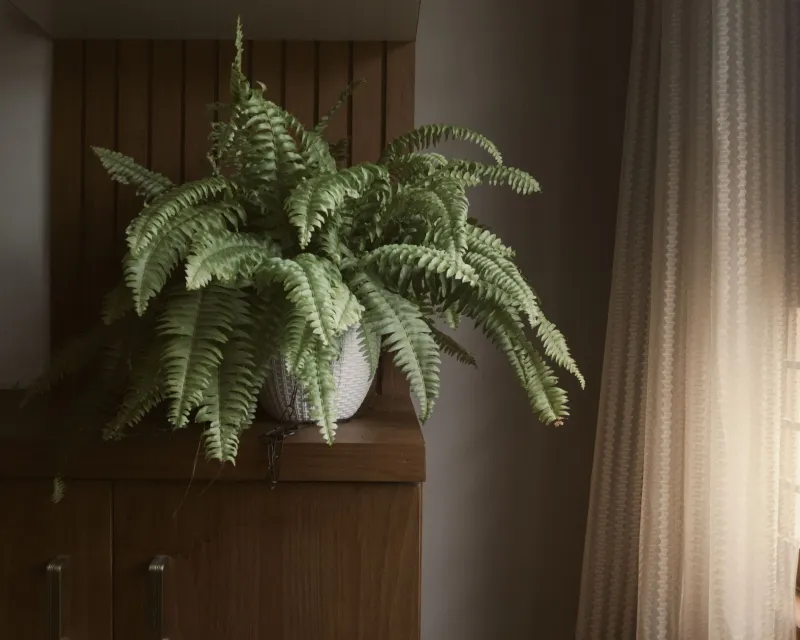
There is a particular kind of British corner that never quite feels finished. It has a chair, a lamp, maybe a mirror, and then a gap where something soft and leafy ought to be. A vintage plant stand is often the answer. Not a giant statement urn or a floor-standing monstrosity, but a modest little table with legs, tiers or a wire frame, designed to raise a fern to eye level and make a room feel gently alive.
The Victorians knew this better than most. Their fern fever — pteridomania, if you like the proper term — sent households hunting for specimens, filling glass cases and printing fern motifs on everything from china to wallpaper. The plant stand was part of that world: bamboo, painted wood, tiered wire, sometimes a jardinière table with a recessed top for a pot. Today those pieces turn up in antique centres, charity shops, house clearance sales and the usual online marketplaces, often a little tired and very reasonably priced. For 2026, they suit our rooms rather well: small footprint, plenty of character, and a natural way to add height without crowding the floor.
Why a stand earns its place
A plant stand does two jobs at once. It lifts greenery into the light, which most ferns and ivies appreciate, and it gives a small sitting room or hallway a vertical note without asking for much floor space. A low stand beside an armchair can make a corner feel considered. A narrow tiered stand in a hall adds welcome without blocking the walkway. And because vintage stands are usually lighter and more open than a solid side table, they do not make a modest room feel stuffed.
The look is part of the appeal, too. Bamboo has a warm, slightly eccentric grain. Painted wood can be chipped in exactly the right places. Wirework casts delicate shadows. None of it is precious, which is rather the point. These are pieces that can be wiped down, moved about and allowed to age quietly.
What to check before you fall in love
Start with the joints. Bamboo stands often rely on dowels, screws and bindings, and a wobbly tier is easier to spot than to fix. Give the stand a gentle shake on a level floor. If it rocks, look for a short leg or a loose joint rather than assuming the floor is at fault. Check any visible screws and the little metal collars that sometimes hold bamboo sections together. A single loose joint can often be tightened, but a stand that feels generally rickety may never settle.
Water damage is the next thing to look for. Vintage plant stands have often spent decades holding damp pots, so check the top surface for dark rings, soft timber, bubbling paint or a swollen edge. A little staining is honest wear and can be hidden under a cachepot. Soft or crumbly wood is a different matter. If the top is badly compromised, either walk away or plan to have a new top fitted by someone who knows what they are doing.
Original paint versus later touch-ups is a judgement call. A faded, lightly chipped original finish has a charm that is hard to fake. Later chalk paint can look perfectly lovely, especially in a pastel room, but it can also hide repairs. If the seller is upfront about a repaint, that is usually fine. If the paint is thick and glossy over rough patches, look more closely. A quick rub in an inconspicuous spot will tell you whether the surface underneath is sound, though only if the seller is happy for you to do it.
Finally, think about stability rather than just style. Tall, narrow stands are charming but can be tippy in a busy hall or beside a door. Put heavier pots on the lower tier and lighter trailing plants above. If you have uneven old floorboards, a small felt pad under one leg can make all the difference without becoming a permanent bodge.
The plastic pot problem
Most of us buy plants in plastic nursery pots, and there is no shame in keeping them there. The trick is not to plant directly into a vintage stand or a porous decorative container unless you are prepared for water damage. Instead, use the vintage piece as a cachepot: drop the plastic pot inside, with a saucer underneath if it fits, and lift it out for watering. That way the stand stays dry and the plant gets proper drainage.
If the plastic rim shows above the cachepot, choose a slightly deeper container or add a little moss, gravel or a coil of natural twine around the top to soften the join. A plain terracotta pot can also work inside a larger vintage jardinière if the proportions are right. The aim is for the plastic to disappear from view, not to pretend it does not exist. We are styling a corner, not entering a competition for botanical purity.
Where the light falls
Ferns generally prefer soft, indirect light, and many will scorch near a hot south-facing window. Ivy is more forgiving but still appreciates decent light and a little air. A stand placed a metre or so back from a bright window, or to the side of one, is often ideal. In a small sitting room, the corner beside a bookcase or between two windows can work well. In a hall, a narrow stand near a front door is fine as long as the plant is not in a dark tunnel or directly over a radiator.
Do rotate the pot every week or so, especially if the plant is reaching towards the light. Keep trailing ivy trimmed if it starts to brush shoulders with a doorway. And do not fill every tier just because you can. One good fern, a small ivy and perhaps a little vintage pot of bulbs will feel more generous than a crowded tower of foliage.
A gentle way to finish the corner
A vintage plant stand looks its best when it is allowed to be a little imperfect. Pair bamboo with a faded linen cushion and a pale wall. Let a painted stand keep its chips. Put a simple cachepot inside the top ring and let the leaves do the decorating. In a pastel-hearted room, that small raised patch of green can be the softest thing in it — and the most quietly nostalgic.