The Last Thing You See: Vintage Bedside Tables for a Softer 2026 Bedroom

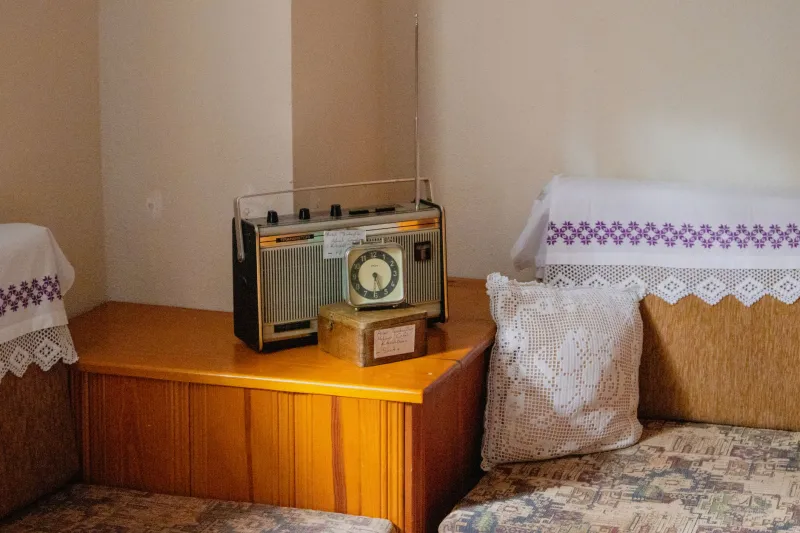
Photo: vintage wooden bedside table pastel bedroom soft linen lamp UK interior, via www.babeyond.com
Bedside tables are not the stars of a bedroom. They do not command the room like a wardrobe or set the mood like a headboard. But they are the piece you reach for in the dark, the surface that holds your book and your glass of water, and the last thing your eye rests on before sleep. In a pastel-hearted 2026 bedroom, a vintage bedside table can be the quietest kind of character: small, slightly worn, and entirely yours.
The trick is not to buy the first pretty thing at a car boot sale. It is to think about scale, storage and the life you actually live beside your bed. Get those right and a little mahogany drawer or a painted 1930s cabinet will feel less like a museum piece and more like a friend.
Start With the Gap, Not the Table
British bedrooms are often generous in charm and short on space. A Victorian terrace box room, a cottage eaves bedroom or a flat with a chimney breast all impose their own rules. Before you fall for a table, measure the gap beside the bed and note the height of your mattress. A bedside table should sit level with, or slightly below, the mattress top so you can reach a lamp switch without stretching.
Depth matters as much as width. A narrow table that leaves you banging your hip on a drawer handle is not a bargain. Nor is a deep one that blocks a wardrobe door. In small rooms, a slim table with one drawer and a lower shelf often earns its place better than a chunky three-drawer chest. If the room is tight, consider a wall-mounted vintage shelf or a small table that can tuck slightly under the bed frame. The point is not to fill the gap. It is to make the gap useful.
One Drawer Is a Whole Personality
Storage is where vintage bedside tables quietly win. A single drawer is enough for the things that clutter a modern bedside: a charger, eye mask, hand cream, a small notebook, the hair clip you remove at 11pm. A lower shelf takes a stack of books or a basket for reading glasses and tissues. Open shelves can look lovely, but they also invite clutter. If you are not naturally tidy, choose a table with a drawer and keep the shelf for a woven basket.
Look at the drawer action before you look at the finish. Wooden runners can be waxed; metal runners can be cleaned; a drawer that sticks badly or has a split base is more work than romance. A missing knob is easy. A drawer that has been forced and repaired with nails is a warning. In a small piece, the mechanics matter because you will use them every day.
Mahogany, Painted Pine and the 1930s Cabinet
Mahogany bedside tables from the mid-twentieth century have a lovely weight and a warm reddish-brown tone that can feel surprisingly soft against pale walls. They suit a room with brass accents and faded linen. Pine is humbler and often painted, which makes it easy to live with in a pastel scheme. A 1930s cabinet with a curved top and little cabriole legs brings a gentle Deco shape without shouting about it. Oak is sturdier and more rustic; it can work in a cottage bedroom if you keep the bedding simple.
The finish should guide you as much as the shape. A table with original patina can be beautiful, but only if the surface is sound. Veneer that is lifting, water rings that have gone black, or a top that has been badly stripped are all fixable, but they affect the price. If you want a painted finish, a plain pine or mahogany table with a few marks is a better candidate than a rare piece with good original grain. Do not paint over something that is already lovely.
Paint It Softly, Not Sweetly
Pastel paint on a vintage bedside table works best when it feels like a faded memory rather than a nursery. Plaster pink, buttermilk, eau de nil, soft sage and a greyish lilac all sit well with old wood. A chalk-style paint can give a soft, matte finish, but it still needs a protective wax or varnish on a bedside table because it will be touched every day. Avoid a thick, glossy coat that clogs the drawer edges. Thin coats, a light sand between them, and a little patience will always look better than one heavy layer.
If you are painting a piece with original handles, consider keeping them. Brass or Bakelite handles often look better against soft paint than shiny new ones. If the handles are damaged, replace them with something simple and period-appropriate rather than something overly ornate. The same goes for knobs: a plain wooden or ceramic knob can calm a busy table, while a sparkly one can make a modest piece look confused.
Small Repairs, Big Confidence
A vintage bedside table does not need a full restoration to be useful. Start with the simple things. Tighten any loose joints with wood glue and a clamp. Clean metal runners with a stiff brush and a little wire wool, then rub a candle stub along wooden drawer runners so they glide. Felt pads under the feet protect floorboards and stop the table scratching when you pull it out to dust. If the top is dry, a thin coat of furniture wax will feed the wood and make it easier to wipe.
Be cautious with old paint. If a piece has layers of chipped paint from before the 1970s, do not sand it aggressively indoors; old paint can contain lead. A damp cloth and a gentle scrape are safer, or leave the paint alone and seal it. If a table wobbles, check the feet before you blame the joints. A tiny wedge of felt can solve more than you expect.
The Modern Lamp on the Old Table
A vintage table often looks best with a modern lamp, because the contrast stops the room feeling like a set. Choose a lamp with a simple base and a shade that is wider than the table is deep, so the light falls onto your book rather than into your eyes. A warm bulb, around 2700K, will flatter old wood and pastel paint. If you need a phone charger, run a discreet cable behind the table rather than letting it trail across the top. A small ceramic dish for rings and a single bud vase are enough decoration; the table is a working surface, not a display cabinet.
Textiles can soften the hard edges. A piece of faded linen under the lamp, a knitted coaster or a small embroidered runner will connect the table to the bed. Keep the palette close to the room: oatmeal, pale pink, soft green. A vintage table with a lot of grain or painted detail does not need a busy cloth. Let one texture do the work.
Where to Look in 2026
Charity shops, car boot sales, auction centres and local Facebook Marketplace listings remain the best hunting grounds for affordable bedside tables. Go with measurements written on your phone and a small tape measure in your bag. Ask whether the drawer runs smoothly and whether the piece has been stored somewhere damp. At auction, check the buyer's premium before you bid. In 2026, there are also more small restorers selling painted pieces online, but compare the price with the cost of paint and time. A tired table at £30 can be a better buy than a perfect one at £180 if you enjoy the process.
Take your time. The right bedside table is rarely the most decorative one in the shop. It is the one that fits the gap, holds the book, and makes you smile when you turn off the lamp. Small, sweet and entirely yours: that is the quiet magic of a vintage bedside companion.