The Quiet Corner: Bringing a Vintage Dressing Table Back Into the Light
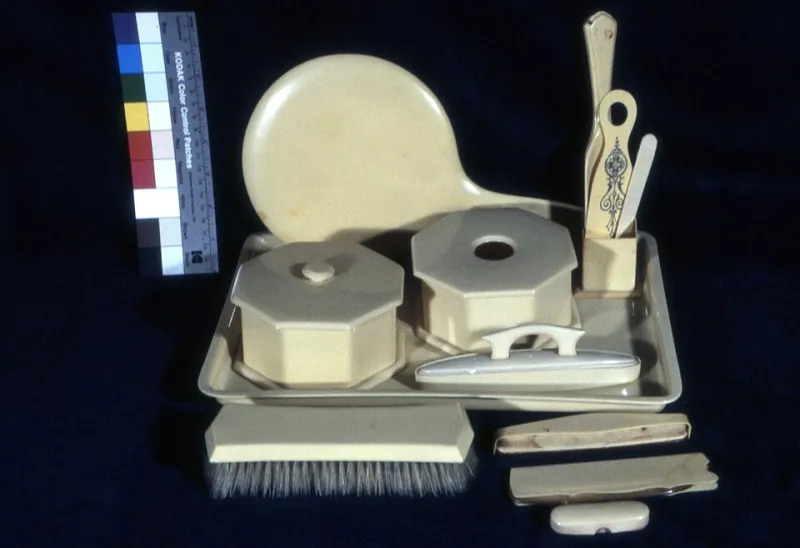
Photo: Heritage Preservation Department - MNHS, CC BY-SA 4.0, via Wikimedia Commons
The dressing table has always been a quiet rebel in the bedroom. It asks for a chair or stool, a bit of wall, and a willingness to sit still for five minutes. In 2026, that feels less like vanity and more like a small act of self-care. Modern storage units are efficient, but they rarely invite you to linger. A vintage dressing table does.
Why the dressing table is having a moment
Bedrooms have been getting calmer. We are seeing fewer giant wardrobes and more pieces that do one job beautifully. A dressing table fits that mood. It is a place for a hairbrush, a pot of cream, a dish for earrings and perhaps a small vase. It is also a place to keep the clutter of getting ready contained, rather than spread across a windowsill. In a pastel-hearted room, a gently curved 1930s piece or a simple mid-century table can soften the whole space. The mirror helps, too, bouncing light into a dim corner.
Finding one worth bringing home
You do not need a perfect piece. In fact, the slightly tired ones are often the best value. Look in charity shops, at local antique centres, and at weekend fairs where the stallholder is happy to chat. Car boot sales can be goldmines in late spring, though you may need to arrive early and bring a friend with a van.
Before you part with your money, give the piece a gentle once-over. Open and close the drawers. Do they slide without a fight? Run a hand along the back and sides. Is the veneer lifting, or is the wood splitting? Check the mirror for heavy foxing, because while a little speckling can look charming, a large dark patch is harder to live with. Sit on the stool if one is included. Wobbly legs can usually be tightened, but a cracked seat frame is more work. And look at the handles. Missing or mismatched ones are not a dealbreaker, but they are a good bargaining point.
Reviving tired paint without losing the character
Many dressing tables from the 1930s to the 1960s were finished with shellac or old varnish that has gone sticky or patchy. You have two choices: restore the wood or paint it. Both are valid. If the veneer is sound and the grain is pretty, a gentle clean and a coat of wax may be all it needs. If the surface is too far gone, a soft pastel paint can look lovely.
Preparation is the boring part that makes the difference. Clean with a degreaser, then lightly sand with a fine grit to give the paint something to grip. Do not sand back to bare wood unless you need to. Fill any small dents with a fine filler and sand smooth. Use a primer if you are painting over dark varnish or glossy surfaces. Then apply thin coats of a water-based eggshell or chalk paint in a colour you love. Pale sage, powdered blue, or a warm off-white all work well in a British bedroom. Test the colour on the underside first, because pastels can shift in different light.
Handles, hinges and a little patience
Tarnished brass handles can often be revived with a soft cloth and a gentle metal polish. Go slowly, and stop before you strip away all the age. A little darkness in the crevices is part of the charm. If the handles are beyond saving, look for replacements at fairs or online. Choose something in keeping with the period, but do not be afraid to mix finishes if it feels intentional. Wooden knobs painted to match the table can also look sweet.
While you are at it, check the hinges on any small doors and the runners on the drawers. A candle of beeswax rubbed along a wooden runner can make a stiff drawer glide again. Tighten screws gently, and replace any that are stripped. These small jobs take an afternoon and make the piece feel loved.
Styling it softly, without the clutter
The temptation with a dressing table is to fill every inch. Resist. A vintage table looks best when it has room to breathe. Start with the mirror, if it has one, and a single stool. Then add one or two useful things: a small tray for jewellery, a pretty jar for cotton pads, a little vase for a single stem. A vintage clock or a small framed picture can lean against the wall, but keep it light.
Think about the room around it. A dressing table needs a little space to be used. Do not push it tight against a radiator, and try to place it where the mirror can catch some natural light. If the bedroom is small, a narrow table with a single drawer may be all you need. The goal is a quiet corner, not a crowded boudoir.
A small ritual, kept
In the end, the dressing table is not really about storage. It is about the five minutes you spend there. Brushing your hair. Putting on a brooch. Deciding which earrings feel right today. In a busy week, that small pause matters. A vintage table, revived with care, gives you a place to take it. And in 2026, that feels like a very good reason to bring one home.