A Small Seat, Softly Placed: Vintage Footstools for the 2026 Sitting Room
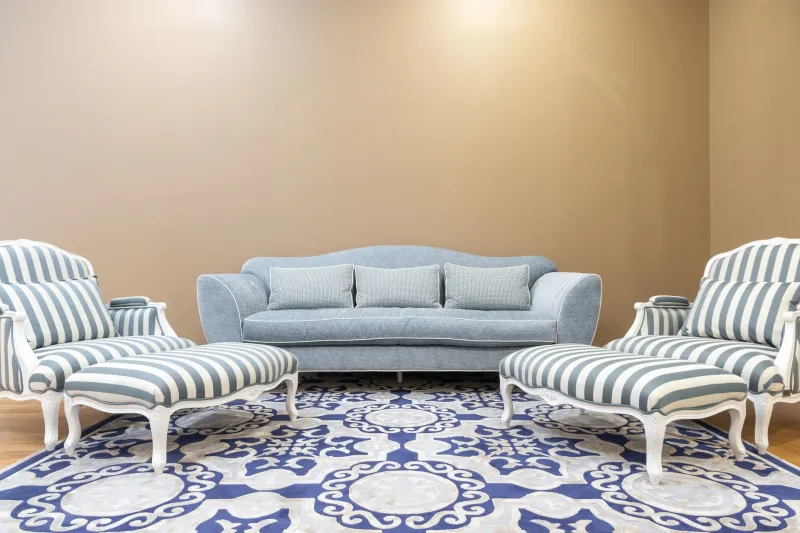
Walk into a small British sitting room and your eye lands on the sofa, then the armchair, then the rug. The footstool? It waits quietly by the chair, doing three jobs at once. In 2026, that feels like exactly the sort of furniture we want: useful, soft and not shouting for attention. A vintage footstool or ottoman can finish a pastel room without filling it up. It gives you somewhere to put your feet, a perch for a visitor and a little stage for a tray of tea. The trick is choosing one that is sturdy under the pretty and placing it so the room still breathes.
Why the humble footstool earns its keep
In a terraced house or a flat with a compact sitting room, floor space is precious. A footstool has a low profile. It does not block the view to a bay window, compete with a fireplace or make a narrow walkway feel narrower. It adds a hit of texture at ankle height, where rooms often go a bit flat.
Vintage examples are especially good at this. Older footstools tend to have tapered legs, shaped tops and a lightness that modern blocky ottomans sometimes lack. A 1930s stool with cabriole legs, a 1950s pouffe in faded velvet or a simple mid-century ottoman can all work in a pretty, nostalgic scheme. The pastel palette helps: think eau de nil, dusty rose, pale butter yellow, soft grey-green. But the frame matters more than the fabric. More on that below.
What to check before you fall for the fabric
Fabric is the first thing to catch your eye and the last thing you should trust. A pretty top can hide a tired frame; a sturdy frame can wear a new top. Turn the stool over and give it a proper look.
- Frame: look for hardwood, tight joints and no wobble. Press down on opposite corners. A slight creak is fine; a shimmy is not.
- Top: webbing should feel springy, not saggy. Foam can be replaced, but old horsehair and coconut fibre are worth saving if they are still firm.
- Legs: check for splits, especially where they meet the seat. Repair is possible, but price it in.
- Size: for a footstool beside an armchair, aim for a top roughly level with the chair seat or a little lower. An ottoman used as a coffee table wants to sit lower than the sofa cushions.
- Storage: a hinged lid is useful in a small room, but check the hinges and make sure little fingers cannot slam it.
Take measurements before you go hunting. In a small UK sitting room, a stool about 50cm wide by 40cm deep is often more useful than a huge ottoman that eats the floor. Bring a tape measure to fairs and charity shops. If you are buying online, ask for dimensions and a photo of the underside.
The pastel question: re-covering without going saccharine
Re-covering a tired top is one of the kindest little restoration jobs in furniture. It is also a chance to make a vintage piece feel at home in a 2026 pastel scheme. Choose a fabric that can take real life: a linen blend, a wool mix, a cotton ticking or a short-pile velvet. Very pale pastels show every mark, so consider a slightly deeper dusty pink, sage or powder blue, or use pastel piping on a neutral linen.
Order a sample and look at it in your room at different times of day. British light is not generous in November, and a fabric that looks chalky in a shop can turn sugary by a north-facing window. If the stool will sit near a radiator or a sunny bay, choose something with a bit of body and consider a stain guard.
For a simple square or rectangular top, re-covering is a manageable DIY job. Remove the old fabric carefully and keep it as a pattern. Replace tired foam with new upholstery foam, staple from the centre outwards, pull firmly and fold corners neatly. If the stool has a shaped top, piping or a sprung seat, a local upholsterer is usually the better bet. Keep the original legs and trim if you can. A little patina around the edges is part of the charm.
Placing it without crowding the room
One footstool per seating group is usually plenty. Two can look charming in a large room, but in a small sitting room they start to behave like obstacles. Place the stool in front of or slightly to the side of your main armchair, leaving a clear path of at least 60cm to the door. It should feel like a natural extension of the chair, not a piece of furniture stranded in the middle of the rug.
If your room is narrow, try a small stool tucked under a console table or beside a fireplace, ready to be pulled out when needed. An ottoman can stand in for a coffee table if it is firm and flat-topped; add a wide tray to corral cups and books. Avoid putting a footstool right in front of a radiator if you want to feel the heat, and keep it clear of a wood-burning stove.
Colour can help it settle. A stool in the same family as your curtains or rug will read as part of the room. A pale stool on a darker rug looks intentional; a bright stool in an otherwise quiet corner becomes a small focal point. Neither is wrong, but decide which effect you want.
Styling the quiet hero
Because a footstool is small, it can take a little more decoration than a bigger piece. A folded vintage textile over one corner adds colour without commitment. A tray on top turns it into a side table for a cup of tea, a small vase or a stack of books. A single candle or a little lamp on a sturdy ottoman can make a dark corner feel cosy, but keep flames and trailing flexes away from fabric.
Let the legs show. Half the charm of a vintage stool is the shape underneath, whether that is turned oak, tapered mahogany or painted spindle legs. If you paint the legs, use a soft eggshell in a colour pulled from the fabric. Wax or oil bare wood instead if the grain is good. And do not over-restore: a few knocks and a softened edge are what make it feel like it has lived in a British home rather than a showroom.
A small commitment, a big difference
In 2026, we are trying to make rooms feel calmer, more personal and a little less crowded. A vintage footstool fits that mood. It is a small commitment, financially and spatially, but it changes how a chair feels. You sit down, put your feet up, and the room settles around you. Find one with a sound frame, choose a pastel-friendly fabric you can live with, and give it a spot where it can be useful. The quiet hero of the sitting room does not need to shout.